Rubber Tyred Gantry (RTG) cranes are widely recognized for their mobility, versatility, and heavy lifting capabilities. While they are commonly associated with container terminals, RTG cranes are not limited to container handling. They are used in various industrial and logistics applications, including steel coil handling, large machinery movement, precast concrete block transportation, and other heavy cargo operations. Understanding the load handling mechanism of RTG cranes is critical for operators, engineers, and logistics planners who aim to optimize safety, efficiency, and operational flexibility.
Overview of Rubber Tyred Gantry Cranes
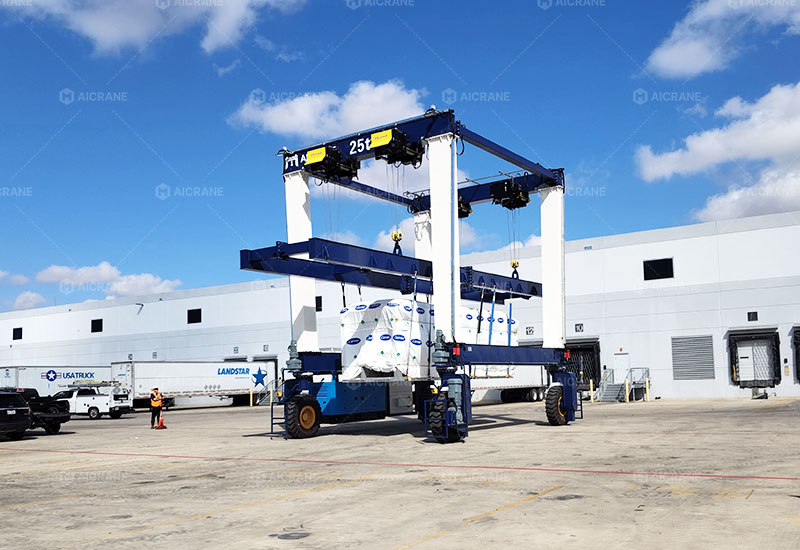
An RTG crane for sale is a mobile gantry crane that runs on large rubber tires instead of rails. This design allows it to operate across wide areas and access multiple loading or storage points without being restricted to fixed tracks. The main components of an RTG crane include:
-
Bridge Girder: The horizontal structure spanning the workspace, supporting the trolley and hoist.
-
Trolley Mechanism: Moves along the bridge girder to position the load precisely.
-
Hoist System: Provides vertical lifting force using wire ropes and drum mechanisms.
-
Load Interface Device: Depending on the cargo, this can be a container spreader, magnet, hook, or specialized lifting frame.
-
Mobility System: Rubber tires and drive/steering systems that enable the crane to traverse the yard or facility.
This combination of components enables RTG cranes to lift, move, and place a wide variety of loads efficiently and safely.
Key Components in the Load Handling Mechanism
1. Hoist System
The hoist system is the core of the load handling mechanism. It generates the lifting force and controls the vertical movement of the load. While container RTGs use standard hoists, industrial RTGs handling non-container cargo often feature customized hoist systems capable of lifting irregular, bulky, or heavy loads. Components include:
-
Hoist Drum or Winch: Rotates to wind or release wire ropes, lifting or lowering the load.
-
Wire Ropes or Synthetic Ropes: High-strength cables suitable for heavy or unevenly distributed loads.
-
Motor and Brake System: Provides lifting power and holds the load securely during pauses.
Modern RTG mobile gantry cranes often integrate variable frequency drives (VFDs) for smooth acceleration and deceleration, reducing load sway and minimizing mechanical stress.
2. Trolley Mechanism
The trolley moves the hoist along the bridge girder, allowing precise horizontal positioning over the load. In non-container applications, accurate trolley control is essential for aligning the hoist with awkwardly shaped or heavy industrial cargo. Key components include:
-
Trolley Frame: Supports hoist, lifting devices, and ancillary systems.
-
Drive Motor: Powers trolley movement, often with precise speed control for delicate load positioning.
-
Rails and Wheels: Ensure smooth travel along the bridge and accurate alignment over the cargo.
Proper trolley maintenance is crucial for safe handling, especially when carrying heavy or unbalanced loads.
3. Load Interface Devices
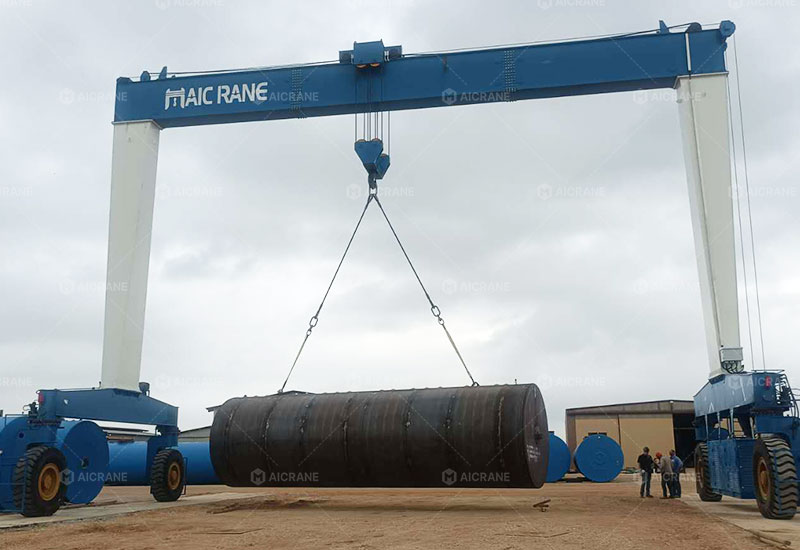
While container handling uses standard spreaders, RTG cranes in industrial applications may use a variety of load interface devices depending on cargo type:
-
Hooks: For slings, chains, or lifting beams, ideal for machinery, steel coils, or structural components.
-
Magnetic Lifters: Used for steel plates, beams, or other ferromagnetic materials.
-
Lifting Beams and Frames: Custom-made for irregular or oversized loads, distributing weight evenly.
-
Vacuum or Clamp Systems: Specialized solutions for fragile or sheet materials.
The choice of lifting device significantly affects load stability, safety, and operational efficiency.
4. Mobility System
RTG cranes move on rubber tires, allowing them to access multiple work areas without rails. Mobility considerations include:
-
Steering Mechanisms: Front, rear, or all-wheel steering for precise positioning.
-
Drive Motors: Electric or diesel-powered, providing sufficient torque for heavy loads.
-
Hydraulic Suspension: Enhances stability, especially when lifting uneven or oversized loads.
Mobility enables rubber wheeled gantry cranes to serve multiple industrial functions, from loading raw materials to positioning heavy machinery.
Operational Principles of Load Handling
The general load handling sequence of an RTG crane includes:
-
Crane Positioning: The RTG moves to align over the load.
-
Trolley Alignment: The hoist and lifting device are positioned precisely above the cargo.
-
Load Engagement: Hooks, magnets, spreaders, or other lifting devices secure the load.
-
Lifting Operation: The hoist raises the load, often with anti-sway controls to ensure stability.
-
Horizontal Movement: Either the trolley moves the load along the bridge, or the crane moves on tires across the yard.
-
Load Placement: The load is lowered into position, and the lifting device disengages safely.
These steps are similar across container and industrial cargo, but additional considerations such as load balance, shape, and fragility are crucial in non-container operations.
Safety Features in Load Handling
RTG cranes incorporate advanced safety mechanisms to prevent accidents and equipment damage:
-
Overload Protection: Prevents lifting beyond the rated capacity.
-
Anti-Sway Systems: Reduce load oscillation, particularly for long or irregular loads.
-
Limit Switches: Protect against excessive hoist or trolley movement.
-
Emergency Stop Functions: Immediate halting in case of anomalies.
-
Load Sensors and Automation: Detect weight distribution and alignment issues, preventing mishandling of unusual cargo.
These safety systems are vital for industrial applications where load geometry and distribution vary significantly.
Maintenance Considerations
Proper maintenance is critical for long-term performance:
-
Inspect hoist cables, drums, and winches regularly.
-
Ensure trolley wheels, rails, and guide systems are aligned.
-
Maintain hydraulic and suspension systems for stable mobility.
-
Check lifting devices for wear, deformation, or corrosion.
-
Test safety systems and sensors frequently.
Neglecting maintenance can lead to operational inefficiency, equipment downtime, and safety risks, especially when handling unconventional loads.
Advantages of RTG Load Handling Mechanisms
The RTG load handling mechanism provides numerous benefits:
-
Flexibility: Can move across large areas and handle diverse cargo types.
-
Efficiency: Quick load engagement and transport reduce operational time.
-
Safety: Advanced controls and anti-sway systems enhance worker and cargo safety.
-
Precision: Accurate hoist and trolley controls enable safe handling of irregular loads.
-
Durability: Built for heavy-duty and high-frequency operations.
These advantages make RTG gantry cranes suitable not only for container yards but also for steel mills, precast concrete plants, heavy machinery yards, and ports handling various cargo types.
Conclusion
Rubber Tyred Gantry cranes are versatile, mobile, and capable of handling a wide range of loads beyond standard containers. Their load handling mechanism, consisting of the hoist system, trolley, lifting devices, and mobility system, allows safe, precise, and efficient operations. Modern RTGs integrate automation, sensors, and anti-sway technology to handle heavy, irregular, or fragile loads with minimal risk. Understanding the RTG load handling mechanism is essential for operators, engineers, and logistics planners to maximize operational efficiency, safety, and equipment longevity in industrial and port environments.