The decision between a drum asphalt mixing plant and a stationary asphalt plant directly impacts paving consistency, production costs, and project timelines. The drum asphalt mixing plant delivers continuous output exceeding 80 tons per hour, making it ideal for high-volume highway work. The stationary asphalt plant produces batches with precise gradation control, suiting projects with multiple mix designs. Asphalt plant manufacturers design each system around different operational priorities, and contractors must weigh these trade-offs against their specific aggregate conditions and haul logistics.
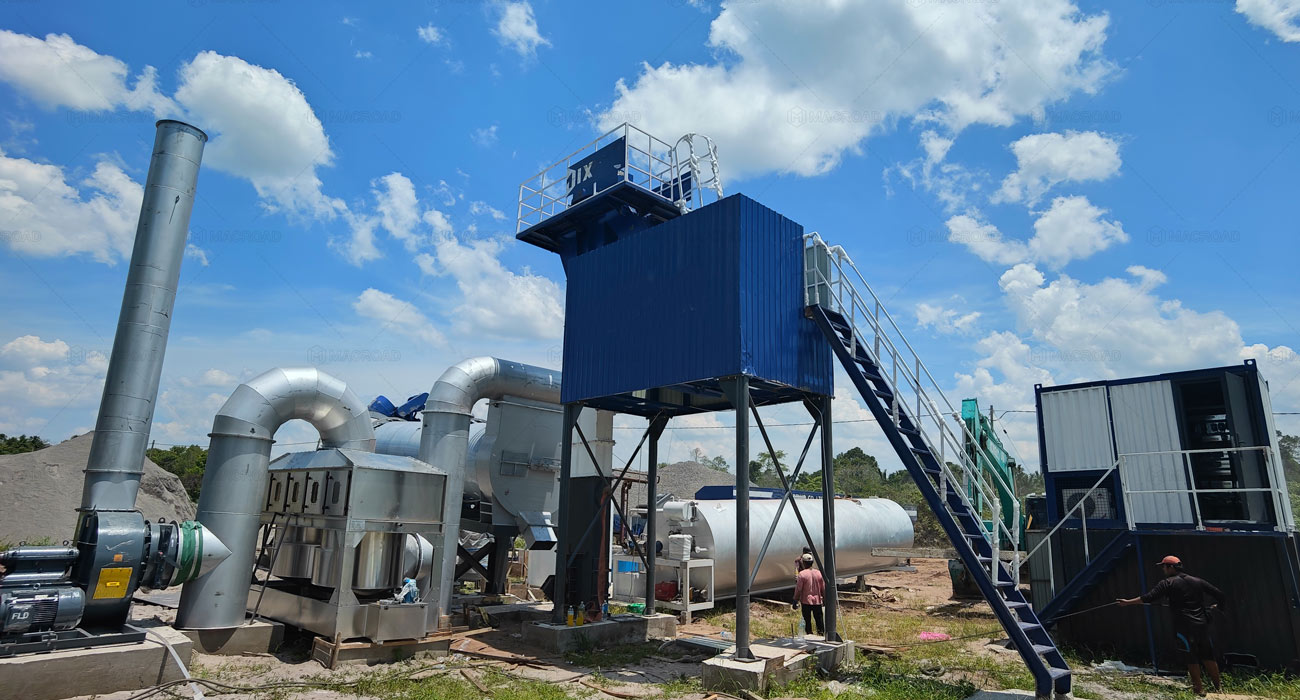
Continuous Throughput Versus Batch Accuracy
The drum asphalt mixing plant combines drying and mixing in a single rotating vessel, eliminating the separate weighing and mixing cycles that define stationary systems. This continuous flow allows the asphalt mixer plant to maintain steady production without interruption, keeping pavers supplied throughout the workday. For long-haul projects with consistent mix specifications, the drum asphalt mixing plant maximizes output and minimizes idle time. However, this speed creates vulnerability: when aggregate feed rates fluctuate or moisture content varies, the asphalt mixer plant struggles to maintain uniform gradation in the finished mix.
The stationary asphalt plant dries aggregate separately, screens it into individual fractions, weighs each component precisely, and then mixes with asphalt cement in a pugmill. This batch process enables rapid switches between different mix formulas, making the stationary asphalt plant essential for projects requiring base, binder, and surface courses on the same site. Asphalt plant manufacturers equip stationary systems with advanced load cells achieving accuracy within 0.5 percent. Yet each batch cycle introduces pauses, reducing overall throughput compared to continuous drum operation.
The performance trade-off is clear: the drum asphalt mixing plant delivers tonnage while the stationary asphalt plant delivers control. Contractors must evaluate whether their paving schedule can absorb the lower output of batch production in exchange for superior consistency. The asphalt mixer plant that excels on uniform aggregate sources may fail when material properties vary, making project-specific evaluation critical.
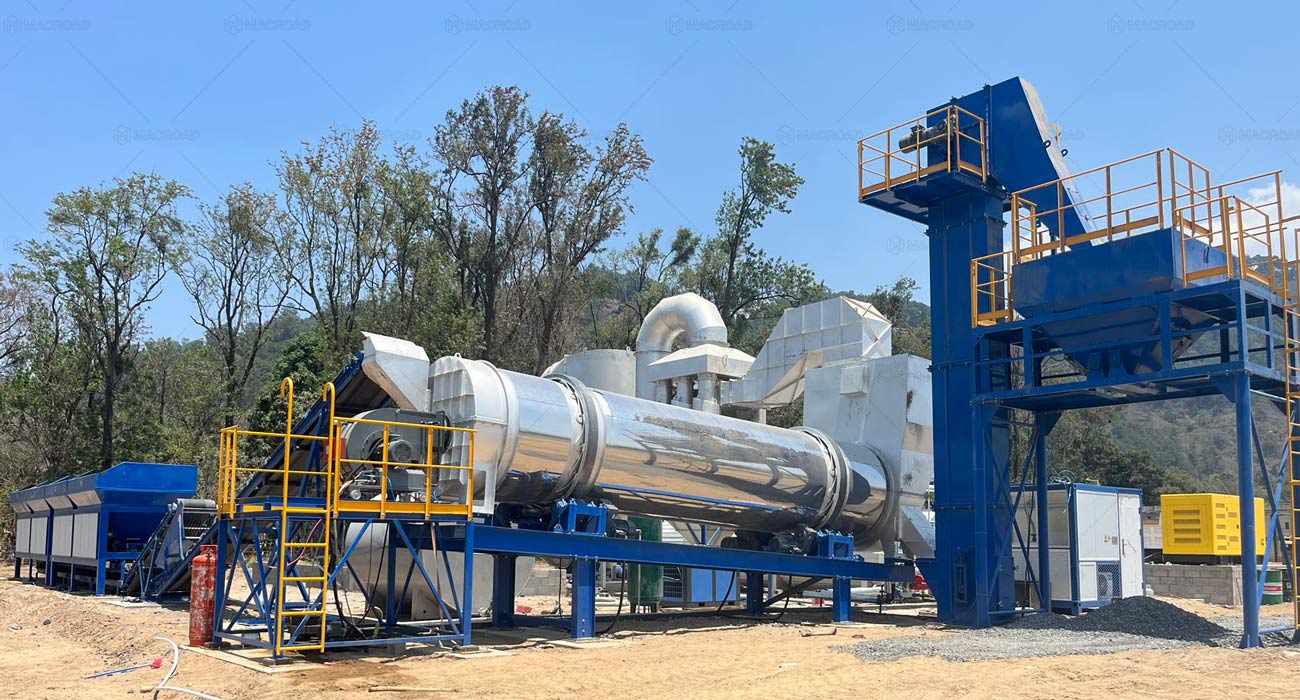
Drying Efficiency and Fuel Cost Considerations
The drying process accounts for the largest energy expense in any asphalt facility, and the drum asphalt mixing plant offers a thermal advantage. In this configuration, hot burner gases pass directly through the aggregate inside the same vessel where mixing occurs, minimizing heat loss between zones. This direct transfer reduces burner fuel consumption by 10 to 15 percent compared to stationary systems, a meaningful saving for contractors operating in high-cost fuel regions. The drum asphalt mixing plant also requires less auxiliary equipment, lowering initial capital investment.
The stationary asphalt plant separates drying from mixing, requiring heat to be transferred between the drying drum and the pugmill elevator system. This separation causes thermal loss, demanding higher burner output to achieve target temperatures. However, the stationary asphalt plant can dry aggregate more aggressively because moisture removal happens independently from mixing. When aggregate moisture exceeds 5 percent, the drum asphalt mixing plant experiences production rate reductions as excess water interferes with asphalt coating. The stationary asphalt plant adjusts drying time without affecting mix quality.
The practical impact on paving consistency is significant. Moisture variation in stockpiles affects the drum asphalt mixing plant directly, producing variable coating quality and increasing stripping risk. The stationary asphalt plant’s independent drying system provides better control over these conditions. Asphalt plant manufacturers serving contractors with inconsistent aggregate sources often recommend stationary configurations specifically for this moisture management capability.
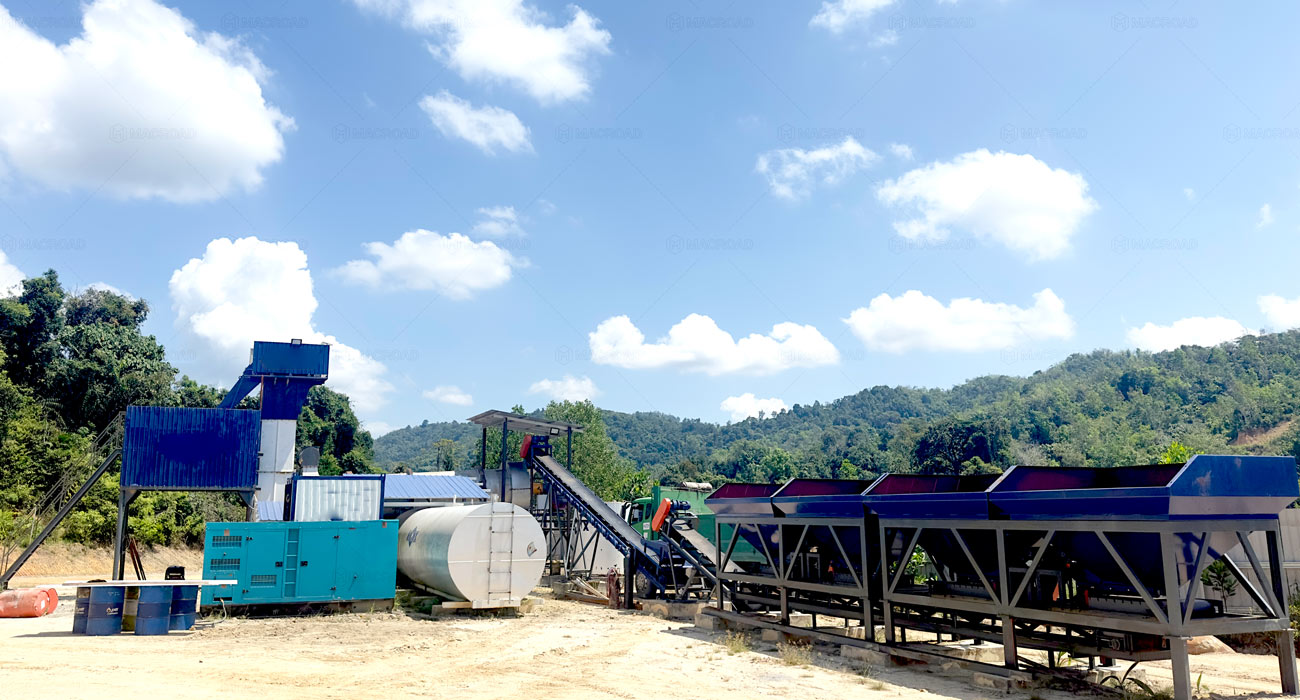
Mobility and Haul Distance Effects on Pavement Quality
The drum asphalt mixing plant frequently appears in modular configurations that relocate between job sites, allowing contractors to position the asphalt mixer plant close to paving operations. This mobility reduces haul distances, preserving mix temperature and maintaining workability at the paver. For linear infrastructure projects such as interstate highways, the drum asphalt mixing plant can follow the paving train, ensuring fresh material arrives within optimal temperature ranges. Short hauls also reduce trucking costs and improve schedule reliability.
The stationary asphalt plant requires concrete foundations and permanent site preparation, making relocation economically impractical for short-duration projects. However, this fixed installation supports greater automation, sophisticated environmental controls, and integration with bulk material handling systems. Contractors operating a stationary asphalt plant typically serve a regional market, producing mix for multiple projects from a central location. Different asphalt plant manufacturers offer stationary systems with advanced control rooms capable of managing several mix designs concurrently.
The factor that most influences paving consistency is temperature retention during transport. A drum asphalt mixing plant positioned near the workface delivers asphalt at target temperatures, ensuring proper compaction density. A stationary asphalt plant with haul distances exceeding 30 miles experiences significant temperature drop, reducing workability and mat quality. The asphalt mixer plant’s relocation capability often yields better paving outcomes than the precision advantages of stationary systems, particularly on projects where thermal loss directly compromises pavement durability.
Conclusion
Choosing between a drum asphalt mixing plant and a stationary asphalt plant requires contractors to evaluate production volume requirements, aggregate quality consistency, and project mobility needs. The drum asphalt mixing plant offers continuous output and fuel efficiency, ideal for long-running projects with short haul distances and uniform material. The stationary asphalt plant delivers batch precision and moisture control, suiting complex mix designs and variable aggregate sources. Asphalt plant manufacturers produce both configurations because no single system optimizes every condition. Contractors must match equipment capability to project demands, because the asphalt mixer plant that performs well on one site may underperform on another.