Rubber Tyred Gantry (RTG) cranes are widely used in container terminals, intermodal yards, and heavy industrial logistics environments. One of the most important but often underestimated factors affecting RTG crane pricing is the power supply system. While buyers typically focus on lifting capacity, span, or automation level, the type of power supply chosen can significantly change both the initial investment and the long-term operating cost.
In modern port development and logistics automation projects, power supply selection is no longer just a technical decision—it is a strategic financial decision that directly impacts RTG crane price, energy efficiency, and sustainability compliance.
This article explains in detail how different power supply types influence rubber tyred gantry crane price and what buyers should consider when evaluating quotations.
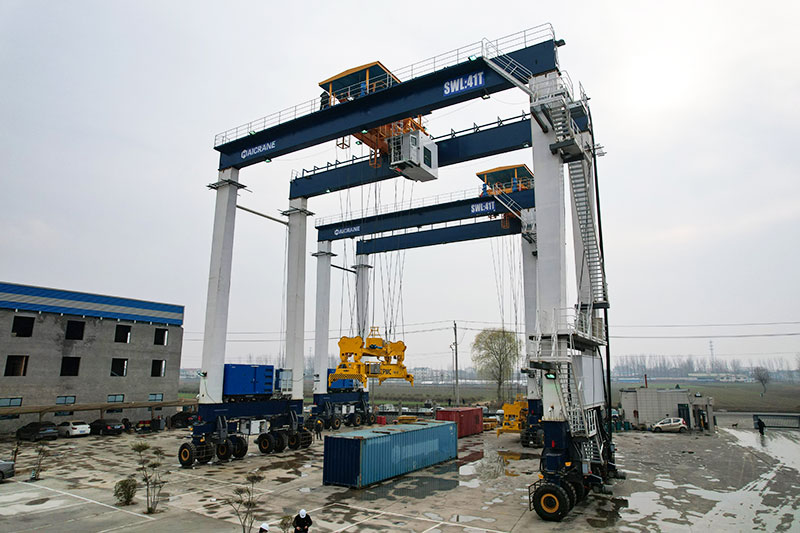
Why Power Supply Has a Direct Impact on RTG Crane Price
The power supply system determines how the RTG crane receives and manages energy during operation. Unlike fixed cranes, RTGs are mobile systems, meaning they require flexible, reliable, and often complex energy delivery solutions.
The chosen system affects:
- Electrical architecture complexity
- Mechanical design requirements
- Energy storage systems
- Environmental compliance equipment
- Maintenance requirements
- Long-term operational cost
As a result, the power system is not just a small accessory—it is a core pricing driver in any RTG mobile gantry crane quotation.
Diesel-Powered RTG Cranes: Lower Initial Price, Higher Operating Cost
Diesel RTG cranes are the traditional and most widely used configuration in many developing or cost-sensitive markets.
Why diesel RTGs often have lower upfront prices
Diesel-powered systems generally include:
- Diesel engine generator set
- Fuel tank system
- Basic electrical distribution system
- Simplified infrastructure (no external power supply required)
Because they do not require external electrification infrastructure such as cable reels or busbars, the initial procurement cost is usually lower.
However, diesel systems increase lifecycle costs
Although the purchase price is lower, diesel RTGs come with long-term expenses:
- High fuel consumption
- Engine maintenance and overhaul
- Lubrication and filter replacement
- Higher emissions compliance costs
- Noise control systems in some regions
Over time, these operational costs can exceed the initial savings, especially in high-utilization container terminals.
Pricing impact summary
- Lower initial RTG crane price
- Higher long-term operational cost
- Suitable for small ports or temporary operations
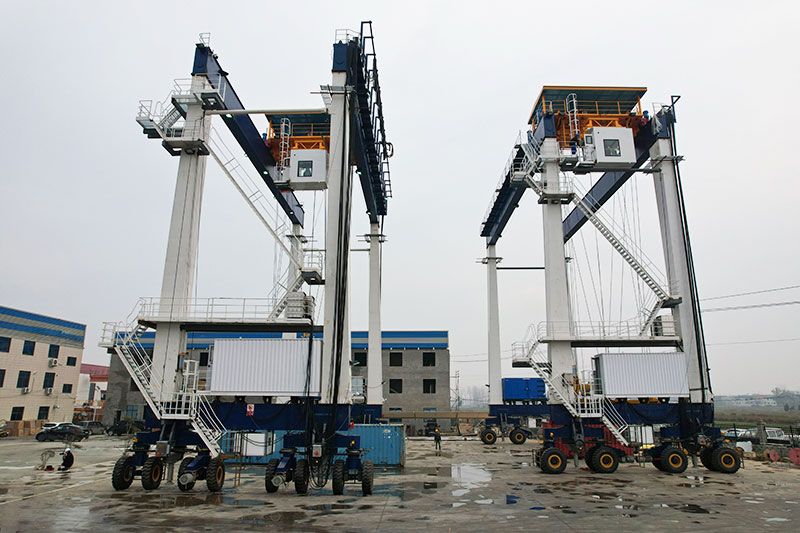
Electric Cable Reel RTG Cranes: Balanced Cost and Efficiency
Electric RTG cranes powered by cable reel systems are increasingly popular in modern container terminals.
How cable reel systems work
The crane is connected to the power grid through a retractable cable system that automatically winds and unwinds as the crane moves.
Components that increase RTG price
This system introduces additional equipment such as:
- Cable reel mechanism
- High-voltage flexible cables
- Power management systems
- Reinforced control cabinets
- Cable guiding systems
These components increase the initial equipment cost compared to diesel RTGs.
Advantages that justify the price increase
Despite higher upfront cost, cable reel RTGs offer:
- Lower energy consumption
- Reduced emissions
- Lower maintenance requirements
- Stable continuous power supply
Pricing impact summary
- Medium to high initial RTG crane price
- Lower operating cost compared to diesel
- Suitable for medium and large ports with stable infrastructure
Busbar (Conductor Bar) Powered RTG Cranes: High Stability, Higher Infrastructure Cost
Busbar systems provide continuous electrical power through fixed conductor rails installed along gantry crane travel paths.
Why busbar systems increase total project cost
Although the crane itself may not be significantly more expensive than cable reel systems, the infrastructure cost is much higher:
- Installation of conductor rails
- Supporting steel structures
- Electrical substations
- Ground insulation systems
- Maintenance access systems
These costs are often included in the overall project budget rather than only the crane price.
Operational benefits
- Stable continuous power supply
- High efficiency in long-term operations
- Reduced cable wear and mechanical stress
- Suitable for high-frequency container handling
Pricing impact summary
- Medium crane price but high infrastructure cost
- Best for large, permanent container terminals
- High ROI over long-term operation
Hybrid RTG Cranes: Higher Initial Price, Lower Fuel Consumption
Hybrid RTG cranes combine diesel engines with energy storage systems such as batteries or supercapacitors.
What increases the price
Hybrid systems require:
- Diesel generator + electric drive integration
- Battery energy storage systems
- Energy recovery systems (regenerative braking)
- Advanced power management control units
- Thermal management systems for batteries
These components significantly increase the initial equipment cost.
Why ports choose hybrid systems
Despite higher purchase price, hybrid RTGs offer:
- Fuel savings of 20%–60% depending on usage
- Lower emissions
- Reduced engine wear
- Improved energy efficiency during lifting cycles
Pricing impact summary
- High initial RTG crane price
- Medium to low operational cost
- Ideal for environmentally regulated ports
Fully Electric Battery RTG Cranes: Premium Price with Zero Emissions
Battery-powered RTG cranes represent the most advanced and environmentally friendly solution.
Why they are the most expensive option
Fully electric RTGs include:
- Large-capacity lithium battery systems
- Fast charging infrastructure
- Battery management systems (BMS)
- High-performance electric drivetrains
- Advanced thermal and safety systems
- Energy recovery technology
These components significantly increase manufacturing and engineering complexity.
Infrastructure requirements also add cost
Ports must also invest in:
- Charging stations
- Grid upgrades
- Energy storage integration systems
Advantages
- Zero direct emissions
- Very low noise levels
- Reduced maintenance compared to diesel engines
- High energy efficiency
Pricing impact summary
- Highest initial RTG crane price
- Lowest environmental impact
- Increasingly preferred in green port development projects
Cable vs Hybrid vs Diesel: How Power Choice Changes Total Price Structure
The total RTG crane price is not only determined by the crane itself but by the entire energy ecosystem.
A simplified comparison:
- Diesel RTG → Low purchase price, high fuel cost
- Cable reel RTG → Medium price, balanced operating cost
- Busbar RTG → Medium crane cost, high infrastructure cost
- Hybrid RTG → High purchase price, lower fuel cost
- Battery RTG → Highest price, lowest emissions cost
Therefore, buyers should evaluate not only the crane price but also:
- Energy consumption over 10–20 years
- Maintenance frequency
- Infrastructure investment
- Environmental compliance requirements
How Power Supply Affects Automation Integration
Modern RTG cranes increasingly include automation systems such as:
- Remote control
- Semi-automatic stacking
- AI positioning systems
- Yard management integration
Power supply type directly affects automation capability.
For example:
- Diesel systems may require additional power regulation modules
- Electric systems provide more stable conditions for sensitive sensors
- Hybrid systems support advanced regenerative energy systems
Higher automation levels usually require more stable and sophisticated power systems, which increases the RTG crane price further.
Environmental Regulations and Their Impact on Pricing
Global port operations are shifting toward low-emission or zero-emission policies.
This trend directly influences RTG crane pricing because:
- Diesel RTGs may require emission reduction systems
- Hybrid and electric RTGs receive regulatory incentives in some regions
- Carbon taxation increases total lifecycle cost of diesel systems
As environmental standards tighten, electric and hybrid RTGs are becoming more cost-competitive in the long term despite higher initial prices.
Final Conclusion
The power supply type is one of the most critical factors influencing Rubber Tyred Gantry crane pricing. It affects not only the initial purchase cost but also infrastructure investment, operating efficiency, maintenance requirements, and long-term sustainability.
- Diesel RTGs offer lower upfront costs but higher long-term expenses
- Cable reel and busbar systems balance efficiency and infrastructure investment
- Hybrid RTGs provide a strong compromise between cost and sustainability
- Fully electric RTGs represent the highest initial investment but the lowest environmental impact and future operating cost
For buyers, the key is not choosing the cheapest system, but selecting the power solution that best aligns with operational intensity, infrastructure availability, and long-term strategic goals.
In modern port development, the power supply system is no longer just a technical specification—it is a core financial and operational decision that defines the true value of an RTG port gantry crane investment.