Choosing a crusher machine manufacturer for quarry operations involves more than comparing equipment prices or rated production capacities. Different quarries process different types of rock, require specific aggregate sizes, and operate under varying site conditions. These factors directly influence crusher selection, production line configuration, and long-term operating efficiency. A reliable manufacturer should be able to match crushing equipment with raw material characteristics, target output, and actual production requirements to develop a practical aggregate processing solution.\
1. Understand Quarry Production Requirements Before Selecting Equipment
Before recommending crushing equipment, a manufacturer needs to understand the quarry’s production objectives and material characteristics. These determine the appropriate crusher types, equipment capacity, and number of processing stages.
Several factors should be evaluated during the initial project assessment:
- Raw material properties: Rock hardness, abrasiveness, compressive strength, and moisture content influence crushing performance and wear part consumption.
- Maximum feed size: The dimensions of blasted or excavated rock determine the required crusher feed opening and primary crushing capacity.
- Target aggregate sizes: Required products, such as 0–5 mm, 5–10 mm, 10–20 mm, and 20–40 mm, affect the crushing and screening configuration.
- Production capacity: The expected hourly and daily output determines the capacity requirements of crushers, feeders, screens, and conveyors.
- Site conditions: Available land, access roads, power supply, and potential future expansion influence stationary or mobile equipment selection.
For example, a granite quarry producing road construction aggregates may require multiple crushing stages and efficient screening, while a limestone quarry supplying construction materials may achieve its target specifications with a different equipment combination.
2. Match Crusher Types with Different Quarry Processing Stages
Each crusher performs a different function within an aggregate production line. A professional crusher machine manufacturer should select equipment according to its position in the processing sequence rather than treating individual machines as interchangeable.
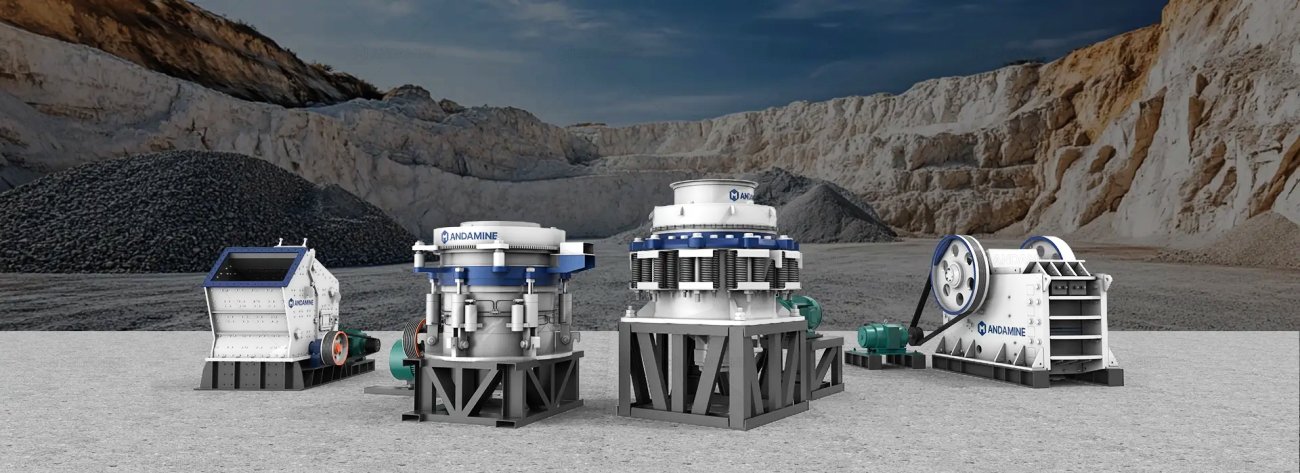
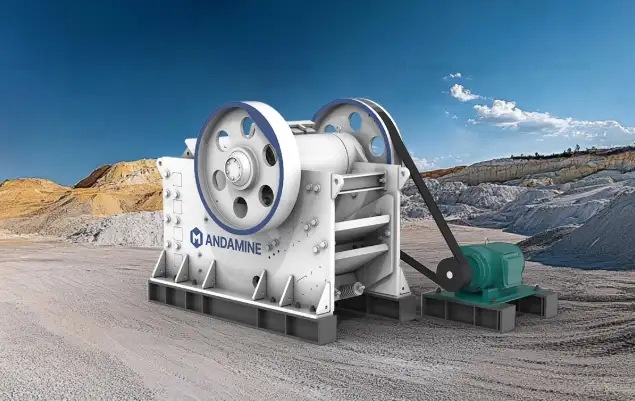
Stone Jaw Crusher Machine for Primary Crushing
A stone jaw crusher machine is commonly used as the primary crushing unit in quarry operations. Its large feed opening and compression-based crushing mechanism make it suitable for processing large rocks directly from blasting or excavation.
Jaw crushers are frequently selected for granite, basalt, limestone, and other quarry materials. When selecting a model, buyers should consider maximum feed size, discharge opening, processing capacity, and the abrasiveness of the raw material.
For large-scale quarry projects, an appropriately sized jaw crusher helps establish a stable material flow for subsequent secondary and tertiary crushing stages.
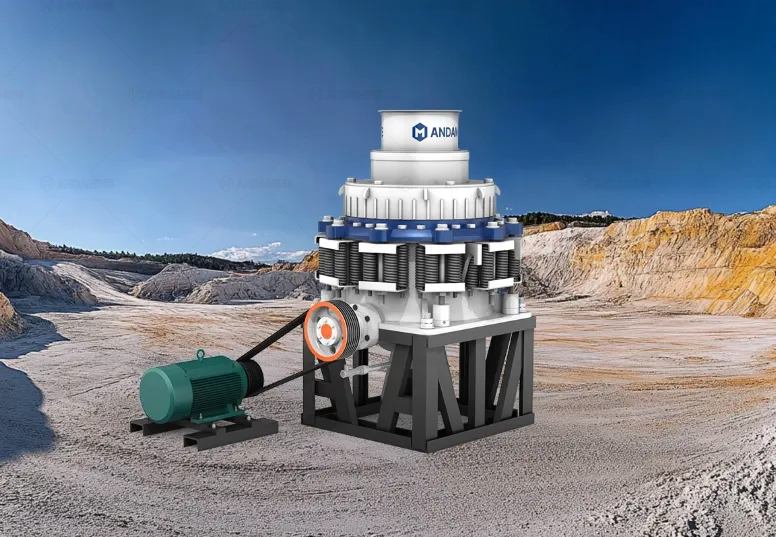
Cone Crushing Machine for Secondary and Tertiary Crushing
A cone crushing machine is widely applied to secondary and tertiary crushing, particularly when processing hard and abrasive rocks such as granite and basalt. It uses a compression crushing mechanism to reduce material size and produce aggregates with controlled gradation.
Cone crusher selection depends on feed particle size, required discharge specifications, crushing chamber design, and the characteristics of the material being processed. A suitable configuration can improve production continuity and reduce unnecessary recirculation.
For quarries supplying multiple aggregate sizes, cone crushers are often integrated with vibrating screens to create a closed-circuit production process.
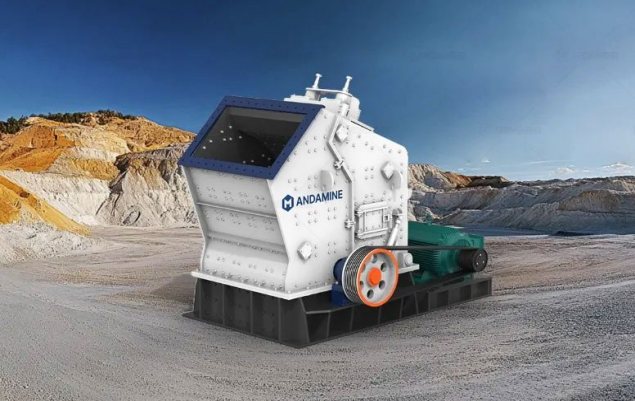
Impactor Crusher for Shape and Size Reduction
An impactor crusher uses impact forces to break materials and is commonly selected for limestone, concrete, and other suitable materials. It can produce relatively well-shaped aggregates, making it useful for applications where particle shape is an important product requirement.
However, impact crushing performance depends heavily on material hardness and abrasiveness. For highly abrasive hard rock, wear part consumption may make an impact crusher less economical than a cone crusher in certain applications.
A manufacturer should therefore evaluate both aggregate quality requirements and expected maintenance costs before recommending an impact crushing configuration.
3. Configure Crushing and Screening Equipment for Different Output Requirements
Selecting individual crushers is only part of quarry plant design. The complete production line must coordinate feeding, crushing, screening, and material conveying to achieve the required aggregate output.
Common configurations include:
- Two-stage crushing: A jaw crusher followed by a cone or impact crusher. This arrangement is suitable for projects requiring primary and secondary size reduction.
- Three-stage crushing: A jaw crusher, secondary cone crusher, and tertiary impact or cone crusher. It is suitable for projects requiring smaller aggregate sizes and more controlled product gradation.
- Closed-circuit crushing: Oversized material from the screening stage returns to the crusher for further reduction, helping maintain the required product specifications.
Vibrating screens separate crushed material into different size fractions, while belt conveyors transport materials between processing stages. Their capacities must be matched with the crushers to prevent material accumulation and production bottlenecks.
For example, a quarry producing several aggregate sizes for concrete and road construction needs a screening system with sufficient deck area and appropriate screen openings to separate the required products consistently.
4. Stationary or Mobile Crushing Equipment: Which Fits Your Quarry?
The choice between stationary and mobile crushing equipment depends primarily on the quarry’s operating life, material transportation requirements, and site layout.
- Stationary crushing plants: Suitable for long-term quarry operations with relatively stable extraction locations. They support integrated production lines and can be configured for high-capacity aggregate manufacturing.
- Wheeled mobile crushing plants: Suitable for projects requiring equipment relocation between nearby working areas or multiple sites. Their integrated structure can reduce installation and transportation complexity.
- Tracked mobile crushing plants: Designed for operations requiring greater on-site mobility, particularly where working surfaces are uneven or access conditions are challenging.
Stationary plants may require foundations and more extensive site preparation, whereas mobile units can offer greater flexibility when quarry working locations change. The final decision should consider the total project lifecycle rather than equipment mobility alone.
5. What Should You Expect from a Professional Crusher Machine Manufacturer?
A qualified manufacturer should provide more than individual crushing machines. Its engineering and service capabilities directly influence whether the equipment can meet the quarry’s production targets.
Important capabilities include:
- Technical consultation: Evaluating raw materials, feed sizes, production targets, and finished aggregate specifications.
- Equipment configuration: Recommending suitable crushers, screens, feeders, and conveyors based on actual processing requirements.
- Manufacturing and quality inspection: Checking equipment components, structural integrity, assembly quality, and operating performance before delivery.
- Installation and commissioning: Providing equipment installation guidance, system testing, and operator training.
- Spare parts and technical support: Supplying replacement components and troubleshooting assistance to reduce unexpected downtime.
Buyers should also request relevant quarry project references and compare equipment specifications rather than relying exclusively on advertised production capacities. Actual output depends on material properties, feed conditions, equipment settings, and operating practices.
Conclusion
Matching crushing equipment with aggregate production requirements is essential for efficient quarry operations. Jaw crushers, cone crushers, and impact crushers each serve different processing purposes, while screening and conveying systems determine how effectively the complete production line operates. By evaluating raw materials, target aggregate sizes, production capacity, and site conditions, quarry owners can work with a qualified crusher machine manufacturer to develop an equipment configuration that balances production performance, product quality, and long-term operating costs.