Bangkok, Thailand, is no stranger to heavy rains and flooding, which can severely damage road infrastructure. Contractors and city planners face immense pressure to restore road connectivity quickly. In such situations, choosing the right asphalt concrete plant becomes critical. This article examines whether a 120 TPH mobile asphalt plant can meet the needs of urgent flood repair road projects in Bangkok, focusing on practical aspects that matter to contractors.
Understanding the Urgent Road Repair Needs in Bangkok
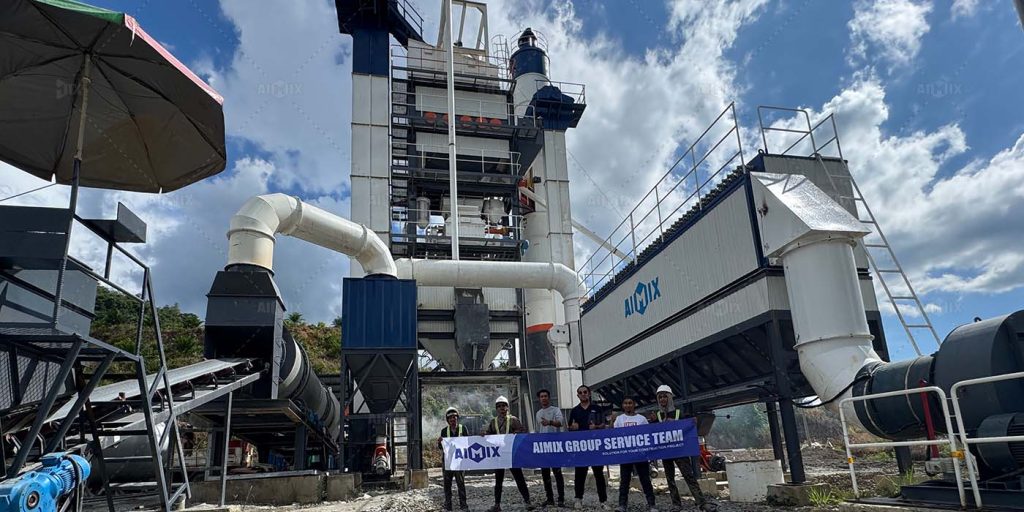
Flooding often causes potholes, surface rutting, and pavement erosion in major urban areas. Contractors need to restore roads quickly to ensure traffic safety and reduce economic disruption. Rapid deployment and continuous production of asphalt mixtures are essential for flood repair projects. Hence, evaluating the plant’s capacity, mobility, and efficiency is crucial.
Moreover, Bangkok’s dense traffic conditions and limited urban space require a compact and flexible solution. Many contractors prefer asphalt mixing plant suppliers who provide mobile solutions that can quickly reach the project site. Understanding daily production requirements and project scale is the first step in deciding whether a 120 TPH mobile asphalt plant is suitable.
Daily Production Capacity and Project Volume
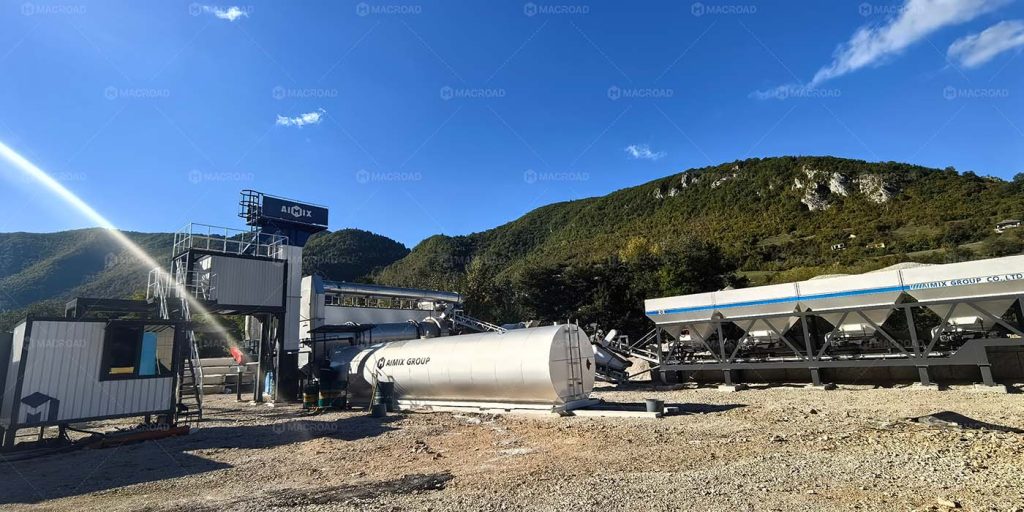
A 120 TPH mobile asphalt plant produces 120 tons of hot mix asphalt per hour under ideal conditions. Assuming an 8-hour workday, it can supply approximately 960 tons daily. This capacity often meets small to medium-sized urban repair projects that demand rapid turnaround.
For instance, repairing a 5 km flood-damaged road with a standard asphalt thickness of 5 cm requires roughly 2,500 tons of asphalt. At full capacity, a 120 TPH plant can complete the supply within 3 days. Using a asphalt mixing plant portable makes this even easier, allowing contractors to deliver material directly near damaged sections without delays.
Mobility and Installation Advantages
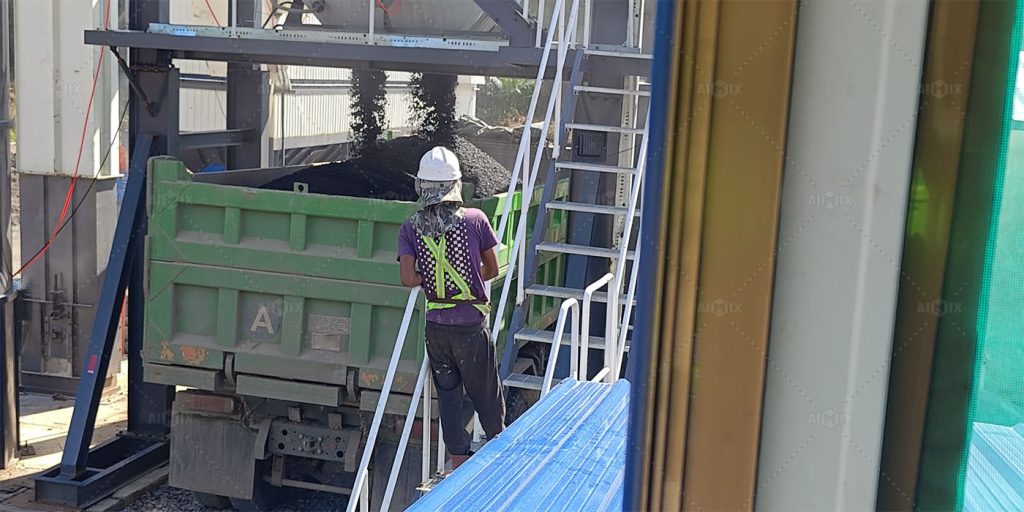
Unlike stationary asphalt plants, a mobile asphalt plant can be transported to the project site and set up quickly, usually within 24–48 hours. This feature is particularly valuable in Bangkok, where traffic congestion can delay material delivery from distant stationary plants.
Furthermore, mobile plants do not require extensive civil foundations. Contractors can place them on temporary concrete or compacted gravel pads. This flexibility allows the plant to operate close to the damaged roads, minimizing transportation time and reducing asphalt cooling during transit. Choosing a reliable mobile asphalt plant ensures seamless on-site operations.
Adaptability to Variable Material Sources
Flood-affected areas often experience changes in aggregate moisture content. Mobile asphalt plants with integrated drying systems can adapt to these variations, ensuring consistent mix quality. The ability to handle different aggregate sizes and types also increases operational reliability during urgent repair work.
Additionally, a 120 TPH plant can be equipped with advanced control systems to monitor temperature, mix quality, and production rates in real time. Contractors can adjust the mix quickly if raw material properties fluctuate due to wet conditions, ensuring a durable repair.
Energy Efficiency and Environmental Considerations
Mobile asphalt plants generally consume less energy per ton of asphalt compared to older stationary plants. Modern 120 TPH mobile plants often include fuel-efficient burners and dust collection systems, reducing both operational costs and environmental impact.
This aspect is essential in Bangkok, where urban regulations limit emissions. By choosing a mobile plant with efficient energy management and proper environmental controls, contractors can comply with local standards while maintaining high productivity.
Cost and Economic Feasibility
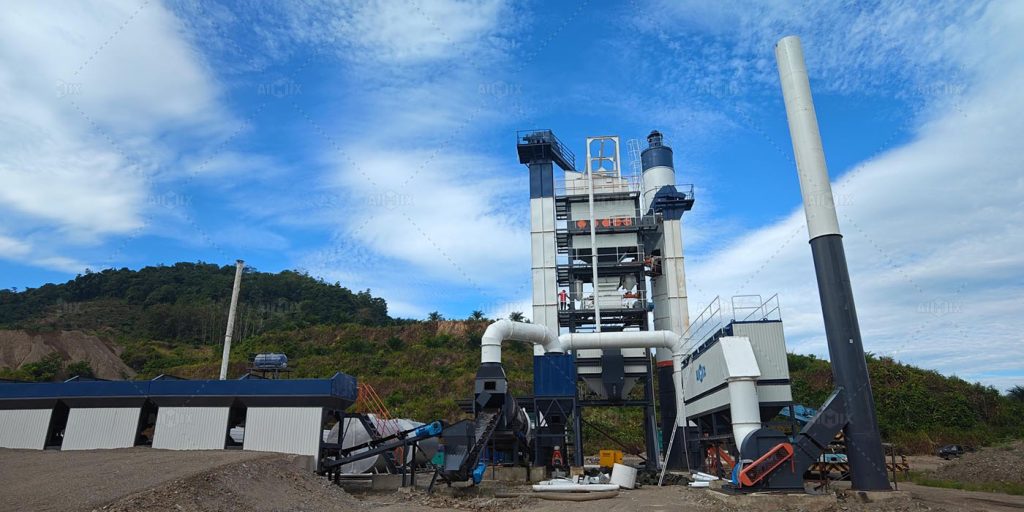
While mobile asphalt plants involve initial investment, the rapid deployment and on-site production can reduce labor, transportation, and downtime costs. For urgent flood repair projects, this advantage often outweighs the higher upfront cost compared to renting or transporting asphalt from distant stationary plants.
For example, if a contractor rents asphalt trucks from a central plant, each trip may take 2–3 hours due to traffic congestion. A mobile plant on-site eliminates this delay, allowing continuous paving operations and faster project completion, which can result in significant overall savings.
Challenges and Considerations
Despite the benefits, a 120 TPH mobile asphalt plant has limitations. It may struggle with very large-scale projects that require over 2,000 tons daily. Moreover, site logistics, local permitting, and storage of aggregates and bitumen need careful planning. Contractors must ensure that the project site can accommodate the plant and auxiliary equipment such as silos and conveyors.
Nevertheless, for most urgent flood repair projects in Bangkok, these challenges are manageable with proper planning and coordination.
Case Scenarios and Practical Insights
Consider a real-world scenario: after heavy monsoon flooding, a 3 km section of Bangkok’s main road requires immediate resurfacing. Using a 120 TPH mobile asphalt plant, the contractor can set up within a day, produce 960 tons of asphalt per day, and complete the repair within 3–4 days. This speed minimizes traffic disruption and ensures safety, demonstrating practical feasibility.
In another case, for smaller community roads, even a 6–8 hour production window per day can supply enough asphalt to repair multiple streets simultaneously, showcasing flexibility and adaptability of mobile plants.
Conclusion: Is a 120 TPH Mobile Asphalt Plant Suitable?
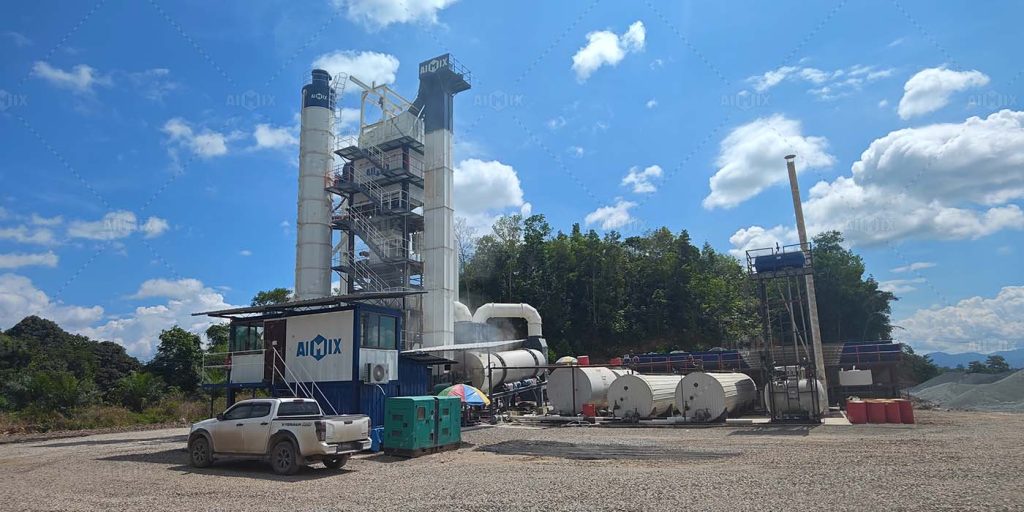
From the perspective of urgent flood repair in Bangkok, a 120 TPH mobile asphalt plant meets most practical needs. Its mobility, rapid deployment, consistent mix quality, and cost-effectiveness make it an excellent choice for contractors and city planners handling emergency repairs. However, understanding project volume, site conditions, and material variability remains crucial for optimal performance.
Contractors seeking fast, reliable, and efficient solutions for flood-damaged roads should consider a 120 TPH mobile asphalt plant as a viable option. It balances production capacity, operational flexibility, and economic feasibility, enabling faster road restoration with minimal disruption.
Call to Action
If you are a contractor or project manager in Bangkok facing urgent road repair projects, investing in a 120 TPH mobile asphalt plant can significantly improve your response time and project efficiency. Contact AIMIX or your trusted asphalt plant supplier today to learn more about how this solution can keep your projects on schedule and under budget.