In today’s global construction industry, concrete batching plant suppliers are no longer judged only by equipment availability or price. Instead, their ability to deliver modular and custom plant design solutions has become a key factor influencing purchasing decisions. As infrastructure projects grow in scale and complexity, contractors require flexible batching systems that can adapt to different project conditions, production capacities, and environmental requirements.
Modern construction projects demand efficiency, scalability, and mobility. Modular and customized batching plant designs allow suppliers to meet these expectations by offering tailored configurations that suit both small-scale contractors and large infrastructure developers.
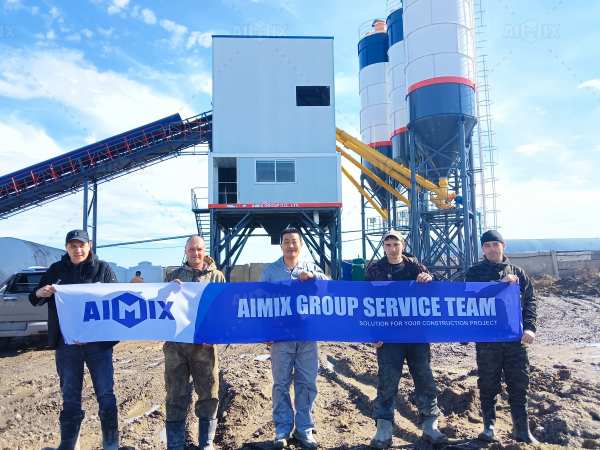
The Rise of Modular Design in Concrete Batching Plants
Modular design has become one of the most important innovations in concrete production systems. Instead of building fully fixed plants, modular systems are composed of standardized units such as aggregate bins, cement silos, mixing units, conveyors, and control systems.
These modules can be easily assembled, expanded, or relocated depending on project requirements. This approach reduces installation time and allows faster production start-up. It also improves flexibility, especially for contractors working on multiple or temporary job sites.
For many concrete batching plant suppliers, modular design also simplifies manufacturing and improves adaptability across different global markets.
Custom Plant Design for Project-Specific Requirements
While modular systems provide flexibility, custom plant design ensures that each project receives a tailored solution based on its specific needs. Construction projects vary in raw materials, climate conditions, production scale, and regulations.
Custom batching plants may include specialized mixer types, customized storage capacity, advanced automation systems, and environmental protection solutions. These adjustments help ensure stable performance and optimal efficiency.
This is especially important for large infrastructure projects such as highways, airports, and industrial zones where performance requirements are more demanding.
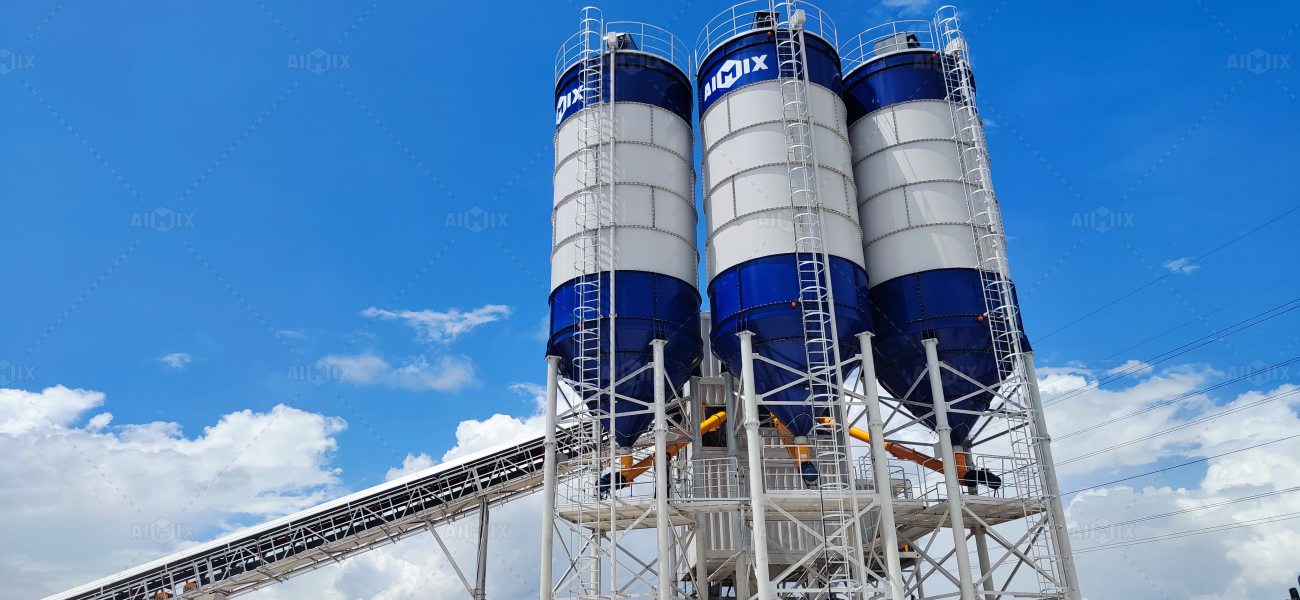
Regional Applications and Supplier Roles
The role of concrete batching plant supplier in Malaysia reflects the growing demand in Southeast Asia. Rapid urbanization requires flexible and cost-effective batching systems, often mobile or modular in design. Tropical conditions also require moisture-resistant and durable equipment configurations.
In Africa, concrete batching plant manufacturers in South Africa support mining, road construction, and rural infrastructure projects. Due to long distances and limited supply chains, mobile and modular plants are widely used to enable on-site production and reduce transportation costs.
Meanwhile, concrete batching plant manufacturers Australia operate in a highly regulated and technologically advanced market. Their equipment often emphasizes automation, environmental compliance, energy efficiency, and long-term durability for large-scale infrastructure projects.
Technology Integration in Modern Batching Plants
Modern concrete batching plants are increasingly integrated with intelligent control systems and automation technologies. These systems improve batching accuracy, reduce material waste, and enhance production consistency.
Real-time monitoring and remote control capabilities allow operators to manage production more efficiently, especially in large-scale or multi-site operations. This technological integration is now a standard expectation from leading suppliers worldwide.
Economic and Environmental Advantages
Modular and custom batching plant solutions provide strong economic benefits. Modular systems allow phased investment, reducing initial financial pressure. Custom designs improve efficiency and reduce long-term operating costs.
Environmental considerations are also becoming increasingly important. Modern plants often include dust control systems, wastewater recycling, and energy-efficient components to meet strict environmental standards.
These features support sustainable construction practices and improve long-term operational value.
Conclusion
The evolution of concrete batching plant suppliers toward modular and custom plant design reflects the growing complexity of global construction demands. Flexibility, efficiency, and technological integration are now essential requirements.
Whether working with a concrete batching plant supplier in Malaysia, sourcing from concrete batching plant manufacturers in South Africa, or investing in systems from concrete batching plant manufacturers Australia, modern suppliers offer solutions tailored to regional and project-specific needs.
Ultimately, modular and custom batching plant designs provide long-term value through improved productivity, lower operational costs, and enhanced adaptability in the global construction industry.