As global trade continues to expand, ports are under increasing pressure to reduce emissions, improve energy efficiency, and comply with stricter environmental regulations. One of the biggest transformations taking place in container terminals is the shift from traditional diesel-powered Rubber Tyred Gantry (RTG) cranes to zero-emission RTGs. What was once considered a sustainability initiative is now rapidly becoming an operational requirement for ports worldwide.
Zero-emission RTG gantry cranes – including electric RTGs, battery-powered RTGs, and hybrid-electric solutions – are no longer just optional “green upgrades.” They are increasingly essential for ports seeking regulatory compliance, lower operating costs, improved competitiveness, and alignment with global decarbonization goals.
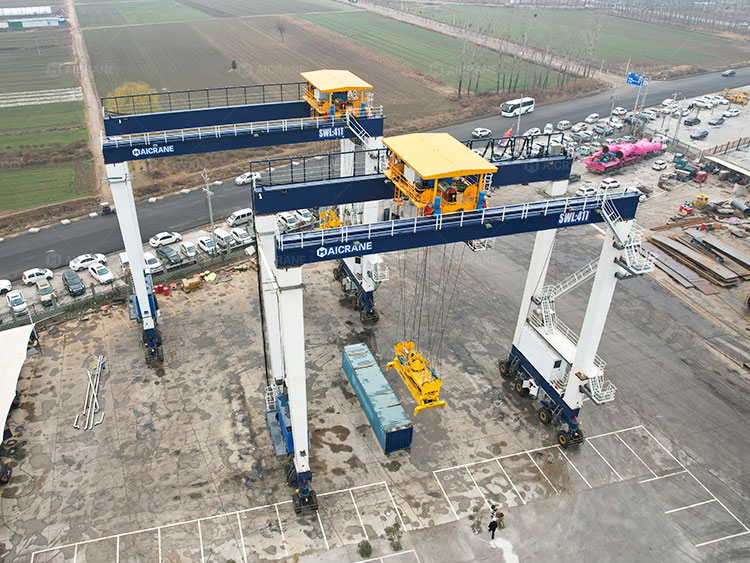
The Environmental Problem with Traditional Diesel RTGs
Diesel RTGs have been widely used in container terminals for decades because of their mobility and operational flexibility. However, they are also major contributors to port emissions.
Traditional diesel RTGs generate:
- Carbon dioxide (CO₂)
- Nitrogen oxides (NOx)
- Sulfur oxides (SOx)
- Particulate matter (PM)
- Noise pollution
Container terminals often operate 24/7, meaning RTGs consume large amounts of diesel fuel daily. In major ports with hundreds of RTGs, the environmental impact becomes significant.
As governments and environmental agencies tighten emission standards, diesel-powered RTGs are increasingly viewed as unsustainable for future port operations.
According to recent port electrification studies, electrification and decarbonization have become major global trends in port operations, with battery-powered and busbar-connected RTG port gantry cranes increasingly adopted in modern container terminals.
Global Decarbonization Targets Are Reshaping Port Operations
The maritime industry is undergoing one of the largest energy transitions in its history. International organizations, governments, and shipping alliances are introducing ambitious carbon reduction targets that directly impact ports and terminal operators.
IMO Net-Zero Targets
The International Maritime Organization (IMO) is pushing the shipping industry toward net-zero emissions by 2050. Although much attention focuses on vessels, ports are also critical parts of the supply chain.
Green shipping corridors and low-carbon port infrastructure are becoming strategic priorities globally. Reports show that new green shipping corridor initiatives continue expanding across Asia, Europe, South America, and Africa.
Ports that fail to modernize their equipment risk becoming less attractive to shipping lines seeking greener logistics networks.
Ports Are Facing Increasing Regulatory Pressure
Environmental regulations affecting ports are becoming stricter every year.
Emission Control Areas (ECAs)
Ports located in or near Emission Control Areas must significantly reduce local air pollution. Diesel RTGs contribute heavily to emissions in densely populated port regions.
FuelEU Maritime and Port Electrification
European regulations increasingly promote zero-emission technologies and shore power infrastructure. FuelEU Maritime requirements encourage ports and shipping operators to reduce greenhouse gas emissions through electrification and clean energy systems.
As electrification standards expand globally, terminals using diesel-heavy equipment may face:
- Carbon taxes
- Environmental penalties
- Higher operating fees
- Restricted operating permits
- Reduced access to green shipping partnerships
Zero-emission RTG container gantry cranes help ports proactively meet these emerging requirements.
Shipping Companies Prefer Green Ports
Large shipping companies are aggressively pursuing ESG (Environmental, Social, and Governance) goals and carbon reduction strategies.
Many global shipping lines now evaluate ports based on sustainability performance, including:
- Carbon footprint
- Energy efficiency
- Availability of shore power
- Electrified cargo handling equipment
- Renewable energy integration
Ports operating zero-emission RTGs can market themselves as environmentally advanced terminals capable of supporting green shipping corridors and low-carbon logistics chains.
This gives ports a competitive advantage when attracting major shipping alliances and long-term cargo contracts.
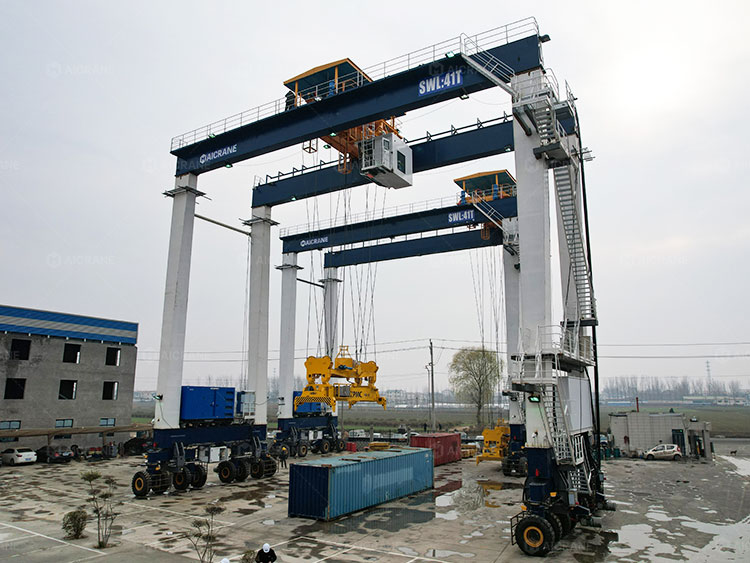
Zero-Emission RTGs Reduce Long-Term Operating Costs
Although zero-emission RTGs often require higher initial investment, they significantly reduce lifecycle operating costs.
Lower Energy Costs
Electric RTGs consume electricity instead of diesel fuel, which is generally more cost-effective and stable in pricing.
Reduced Maintenance
Diesel engines require:
- Fuel system maintenance
- Oil changes
- Engine overhauls
- Exhaust system repairs
Electric RTGs have fewer moving parts and lower maintenance requirements.
Energy Recovery Systems
Modern electric RTGs often incorporate regenerative braking systems that recover energy during lowering operations.
Industry electrification reports note that automation and regenerative energy systems are increasingly integrated into electric RTGs to improve operational efficiency.
Over time, ports can achieve substantial operational savings while reducing environmental impact.
Technological Advancements Have Made Zero-Emission RTGs More Practical
One reason diesel RTGs dominated for many years was the limited maturity of electrification technologies. That situation has changed dramatically.
Today’s zero-emission RTGs offer:
- High-capacity lithium battery systems
- Fast charging technologies
- Automated power management
- Smart energy monitoring
- Regenerative braking
- Improved mobility solutions
Modern battery-powered RTGs can now maintain operational flexibility while eliminating local emissions.
Some advanced systems also support seamless transition between different power sources within container yards, improving operational continuity while lowering energy consumption.
Hybrid RTGs Are Becoming a Transitional Solution
Not every port can immediately transition to fully electric gantry cranes. Infrastructure limitations, power grid constraints, and investment budgets often require phased implementation.
As a result, hybrid RTGs are becoming an important intermediate solution.
Hybrid RTGs typically combine:
- Smaller diesel generators
- Battery storage systems
- Energy recovery technologies
Compared with traditional diesel RTGs, hybrid systems can significantly reduce fuel consumption and emissions while maintaining operational flexibility.
Recent electrification reports describe hybrid RTGs as a transitional technology for ports moving away from diesel but not yet ready for complete electrification.
This phased approach allows ports to gradually modernize operations without major disruptions.
Port Electrification Is Expanding Worldwide
Port electrification is no longer limited to a few environmentally progressive regions.
Countries worldwide are investing heavily in sustainable port infrastructure, including:
- China
- Singapore
- Netherlands
- Germany
- United States
- UAE
- South Korea
Electrification initiatives include:
- Electric RTGs
- Automated container handling
- Shore power systems
- Smart grid integration
- Renewable energy systems
- Energy storage solutions
Research on sustainable ports shows that nearly zero-energy port frameworks are becoming increasingly important for future maritime infrastructure planning.
As more ports adopt electrified equipment, zero-emission RTGs are gradually becoming the industry standard rather than a niche solution.
Community and Worker Health Concerns Are Driving Change
Ports are often located near urban populations. Diesel-powered cargo handling equipment contributes directly to local air pollution and public health concerns.
Communities near ports increasingly demand:
- Cleaner air
- Lower noise levels
- Reduced diesel emissions
- Improved environmental accountability
Zero-emission RTGs help ports reduce local pollution dramatically.
Electric RTGs also create quieter working environments, improving conditions for crane operators and terminal workers.
These social and environmental benefits support stronger community relations and help ports maintain long-term operating licenses.
Investors and Financial Institutions Favor Green Infrastructure
Sustainability now influences investment decisions across the logistics and transportation sectors.
Financial institutions increasingly prioritize projects aligned with:
- ESG standards
- Carbon reduction targets
- Green infrastructure development
- Renewable energy integration
Ports investing in zero-emission RTGs may gain access to:
- Green financing
- Government subsidies
- Carbon reduction incentives
- Preferential lending programs
Conversely, continued reliance on diesel-heavy operations may create financing challenges in the future.
The Future of Port Equipment Is Fully Electric and Automated
The future container terminal is expected to combine:
- Electrified RTGs
- Automated stacking systems
- AI-powered yard management
- Renewable energy integration
- Smart charging infrastructure
- Digital energy optimization
Studies on maritime electrification identify electrification as a key pathway toward sustainable shipping and low-carbon port ecosystems.
As automation increases, electric RTGs become even more attractive because electric systems integrate more effectively with automated terminal technologies.
Ports investing today in zero-emission RTGs are preparing for the next generation of intelligent container handling operations.
Challenges Still Exist
Despite the advantages, transitioning to zero-emission RTGs still presents challenges.
Infrastructure Investment
Ports may require:
- Substations
- Charging stations
- Busbar systems
- Cable reel infrastructure
- Grid upgrades
Power Grid Capacity
Some ports face insufficient electrical infrastructure to support large-scale electrification.
Battery Safety and Standards
As battery systems become more common, industry organizations are calling for clearer safety regulations regarding maritime electrification technologies.
However, despite these challenges, the long-term direction of the industry is increasingly clear.
Conclusion
Zero-emission RTGs are rapidly becoming a requirement for global ports because they align with the future of sustainable maritime logistics. Regulatory pressure, environmental concerns, ESG expectations, operating cost reductions, and technological advancements are all accelerating the transition away from diesel-powered cranes.
Ports that continue relying heavily on traditional diesel RTGs may face growing operational disadvantages, including higher compliance costs, reduced competitiveness, and increased environmental scrutiny.
Meanwhile, ports adopting electric and zero-emission RTGs position themselves as modern, future-ready logistics hubs capable of supporting the next generation of green shipping and intelligent port operations.
The transition may not happen overnight, but the direction is undeniable: the future port will be electrified, automated, and increasingly carbon-free. Zero-emission RTGs are becoming one of the most important building blocks of that transformation.